What Is Property Management Software, And Do You Actually Need It?
An honest look at what property management software does, the point at which spreadsheets stop working, and how to tell whether you are there yet.
Property management software is a category with a lot of marketing around it and not much plain explanation. This article is the plain explanation: what it actually does, at what point a spreadsheet stops being enough, and how to tell whether you are at that point yet.
What It Is
Property management software is a system of record for rental property. It holds the properties, the units, the tenants and the tenancies in one place, and it tracks the things that move between them — rent due and rent paid, maintenance requests, documents, and the dates that matter.
The important word is connected. Most landlords already have all of this information. It is spread across a spreadsheet, a bank app, a phone gallery, a WhatsApp thread and a filing cabinet. The software's contribution is not storing it; it is storing it in a way where the parts refer to each other.
What It Typically Does
Feature lists vary, but the core is consistent:
- Tenant and lease records. Who occupies what, on what terms, until when.
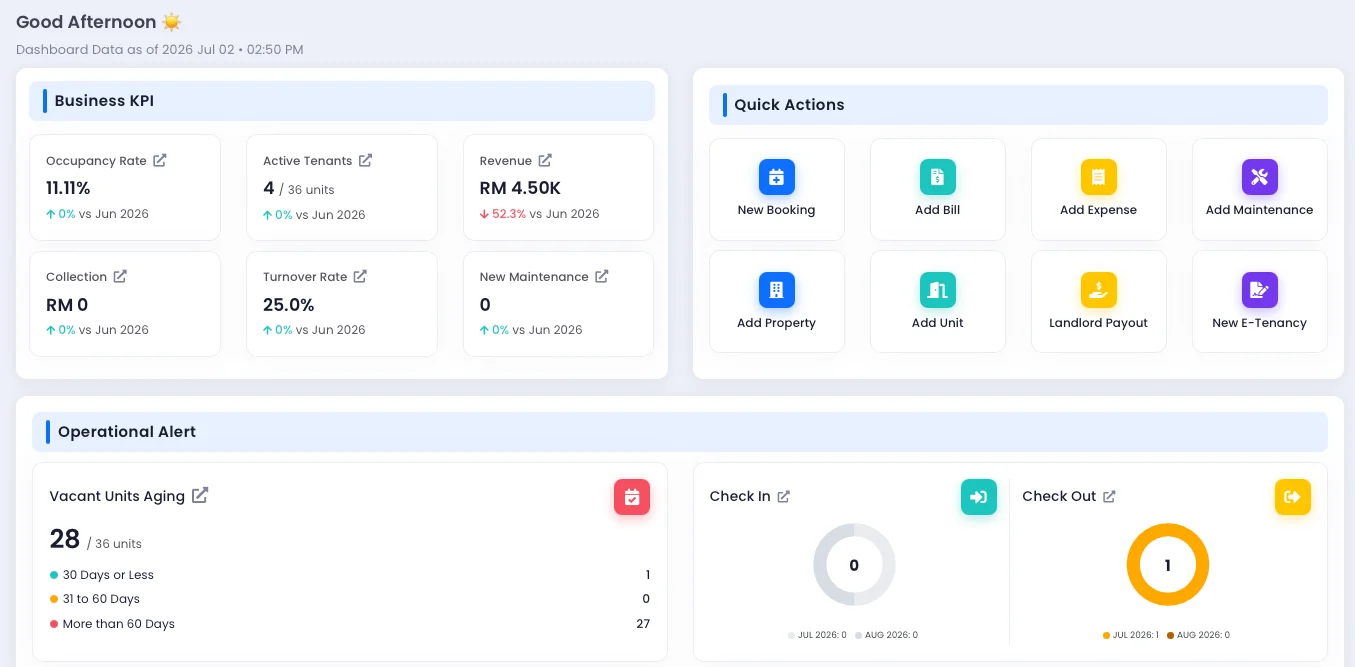
- Rent tracking and collection. What is due, what has arrived, what is outstanding, and reminders that go out without anyone remembering to send them.
- Maintenance workflow. A request from a tenant, assigned to someone, tracked to completion, with the cost recorded against the property.
- Document storage. Agreements, inventories, handover photographs and correspondence attached to the tenancy they belong to.
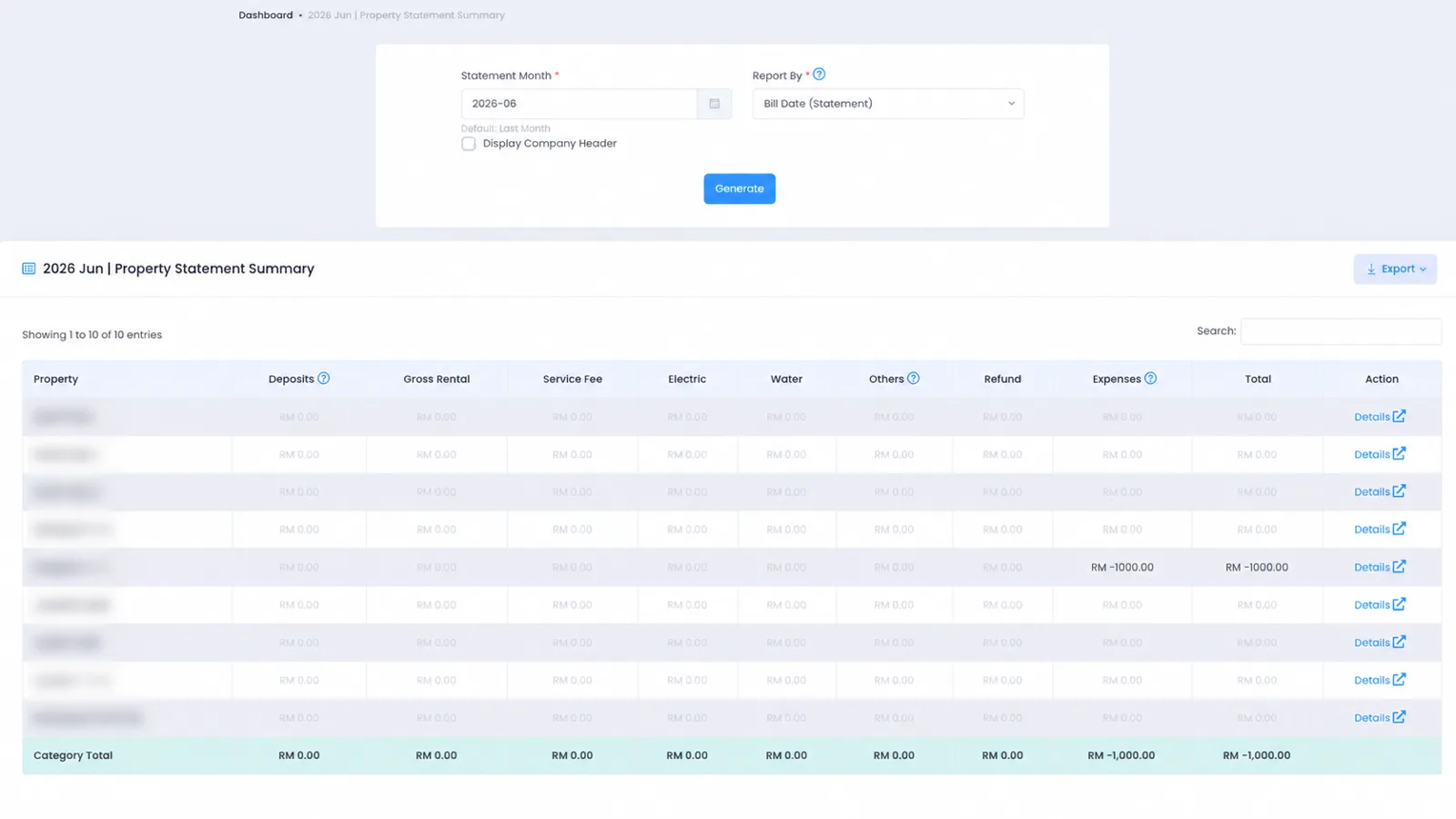
- Reporting. Income and expenses by property, arrears positions, occupancy, and the figures you need at tax time.
Some platforms extend into utilities, smart devices, listings or accounting integration. Those are worth having when you need them and worth ignoring when you do not.
The Problem It Actually Solves
The pitch is usually "save time". The more accurate description is "notice things earlier".
A landlord managing three units in a spreadsheet does not forget that rent exists. What they lose is the small stuff at the edges: an arrears balance that grew for six weeks before anyone reconciled, a tenancy that rolled over on old terms because the review date passed unnoticed, a repair charged to the wrong property, an invoice never raised against the tenant who caused the damage.
None of these is dramatic. Collectively, across a year, they are usually larger than any subscription fee.
When A Spreadsheet Is Genuinely Fine
It is worth saying plainly: for one or two properties with stable long-term tenants, a well-kept spreadsheet is adequate. If you can answer these four questions in under a minute, you do not have a systems problem:
- Who is in arrears right now, and by how much?
- Which tenancies expire in the next ninety days?
- What did each property earn and cost last year?
- Where is the signed agreement for unit 12-3?
Software will not make a small, orderly portfolio meaningfully more profitable. Anyone telling you otherwise is selling.
The Signs You Have Outgrown It
The transition is usually gradual and then obvious. The common signals:
- You reconcile payments by scrolling a bank statement. Matching deposits to tenants by eye is where arrears go unnoticed.
- Someone has to remember the dates. Renewals, reviews and expiries living in a person's head is a single point of failure.
- Maintenance history is in WhatsApp. If you cannot see what has been repaired at a unit and what it cost, you cannot tell a recurring fault from bad luck.
- More than one person is involved. The moment a second person needs the same information, an individual's spreadsheet becomes a bottleneck.
- Tax time takes a weekend. Reconstructing a year of income and expenses from receipts is a symptom, not a chore.
Two or more of these, across a growing portfolio, and the cost of not having a system has probably already exceeded the cost of having one.
What To Look For
Once you are shopping, the differences that matter in practice are not the ones on the comparison table:
- Does it fit how you already work? Software that demands you restructure your operation to suit it tends to be abandoned in month three.
- Can tenants use it without help? A tenant portal nobody logs into shifts no work off your desk.
- Does it handle your property type? Renting by the room, by the unit, or on commercial terms are genuinely different problems.
- What does getting your data out look like? Ask before you commit, not after.
- Is the pricing per unit or per user? The two scale very differently as a portfolio grows.
What It Will Not Do
Setting expectations honestly is worth more than any feature:
- It will not collect rent from someone who has decided not to pay. It will tell you sooner.
- It will not screen tenants for you. It will keep the records of the screening you did.
- It will not fix a property that is mispriced or in a weak location.
- It will not organise a portfolio you do not maintain. Records left un-updated are worse than no records, because they are trusted.
Making The Switch
The migration is where most implementations stall. A few things reduce the pain:
- Start with current tenancies only. Historical data can be backfilled later or left where it is.
- Load one property end to end first. Getting one right teaches you more than getting ten half-right.
- Move rent tracking before anything else. It is the piece with the clearest and fastest payback.
- Set a date to stop using the spreadsheet. Running both in parallel indefinitely gives you two unreliable systems instead of one reliable one.
The realistic test is not whether the software has more features than the alternative. It is whether, three months in, you can answer those four questions in under a minute — and whether anything has slipped through that would previously have gone unnoticed.
Ready To Simplify Property Management?
Manage properties, collect rent and track maintenance from one platform built for landlords, property managers and rental operators.